Tuesday, January 27, 2026
No menu items!
Home Blog Page 31

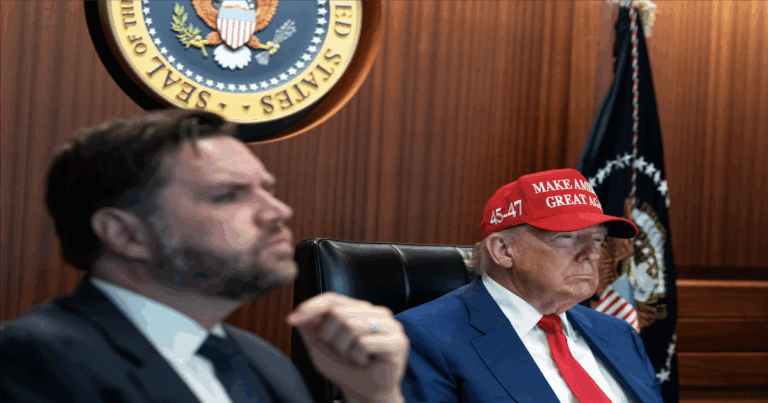
Trump Warns China, India: Stop Buying Putin’s Oil or Face Consequences

Key Takeaways:

  • Trump Calls Out China and India for Funding Putin
    President Trump is pressuring major Russian oil buyers—China, India, and Turkey—to stop fueling the Kremlin’s war machine by importing discounted crude.
  • Sanctions Aren’t Enough—Russia Still Cashing In
    Despite price caps and sanctions, Russia made $12.6 billion in oil sales in June alone and is expected to rake in $153 billion this year—largely thanks to a shadow shipping fleet and weak global enforcement.
  • Opportunity for American Energy Dominance
    With Russian oil under scrutiny, U.S. producers are perfectly positioned to fill the gap—advancing America First energy policy, boosting domestic jobs, and reducing global reliance on hostile regimes.

President Donald Trump is once again doing what globalists and weak-willed bureaucrats won’t: calling out China and India for bankrolling Russia’s war machine with billions in oil purchases. As he pushes Vladimir Putin toward a ceasefire in Ukraine, Trump is shining a light on the dirty little secret behind the Kremlin’s staying power—its oil revenue.

Since the EU banned most Russian oil in early 2023, global crude flows have shifted dramatically eastward. China has scooped up $219.5 billion in Russian energy, followed by India at $133.4 billion and Turkey with $90.3 billion. That’s not just commerce—it’s complicity. And it’s time someone said it.

“Trump is raising the issue as he seeks to press Russian President Vladimir Putin to agree to a ceasefire,” the report confirms. While the Biden administration fumbled with toothless price caps and symbolic sanctions, Trump’s strategy is simple: cut off the cash.

From a business lens, this is more than geopolitics—it’s a massive opening for American oil and gas. If global markets are turning away from Russia, U.S. producers should be front and center, ready to fill the void with affordable, reliable, and clean-burning American energy.

This is economic nationalism in action. Trump is aligning moral clarity with market opportunity—undermining our adversaries while boosting American energy dominance. As always, when Trump puts America First, everyone else has to catch up.
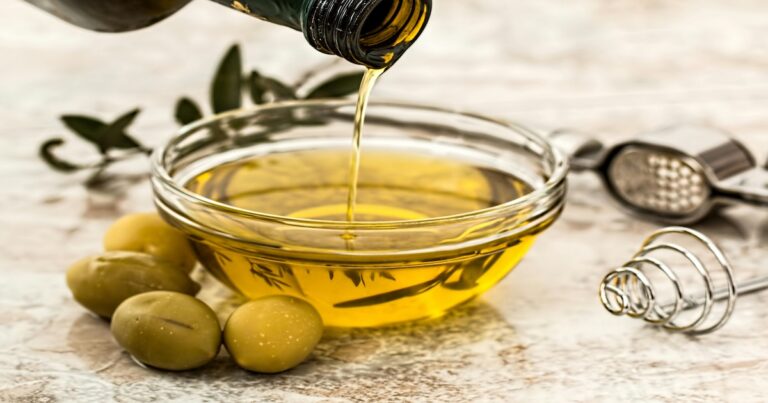
Olive Oil Showdown: Trump Puts America First at Dinner Table

Key Takeaways:

  • Trump’s Tariffs Aim to Protect U.S. Interests
    The 15% tariff on imported olive oil is part of a broader strategy to reduce dependence on foreign goods and encourage domestic production in line with America First policies.
  • European Exporters Feel the Squeeze
    Companies like Italy’s Olio Piro are scrambling to adapt, facing higher costs and uncertain market access as Trump levels the playing field for U.S. producers.
  • Domestic Opportunity is Ripe
    While U.S. olive oil production can’t meet current demand yet, the tariffs create new incentives for American farmers and entrepreneurs to grow, invest, and compete.

President Trump isn’t just cutting off Russian oil profits—he’s draining all foreign pipelines that undercut American interests. His latest move? Slapping a 15% tariff on imported olive oil, part of a broader push to rebalance the global trade playing field and put America First. While European producers are whining, U.S. energy and agricultural sectors are seeing opportunity.

Let’s be clear: America imports 95% of its olive oil, mostly from European producers who’ve long enjoyed sweetheart trade terms. Italy’s boutique startups like Olio Piro—and giants like Spain’s Deoleo—are feeling the pinch. But that’s the point. For too long, U.S. consumers have been hooked on foreign goods while our domestic producers got left behind.

Now, Trump is doing what bureaucrats refused to do for decades: using trade policy as a tool of economic nationalism. The message is simple—if you want access to the world’s most lucrative consumer market, you’ll play by America’s terms. If not, good luck selling your overpriced boutique oil in Canada.

Even RFK Jr. is in step, sounding the alarm on unhealthy seed oils and backing policies that favor real, whole foods—like American-made olive oil. Yes, it’ll take time for domestic production to scale up, but investing in U.S. farms and food is a far better bet than relying on foreign suppliers in fragile trade negotiations.

At a time when China and India are still lapping up discounted Russian crude, Trump’s tariffs send a powerful signal: Foreign producers can adapt or ship their product elsewhere. Either way, the days of trade imbalances are over—and American consumers, farmers, and manufacturers are better for it.

Bondi Greenlights Grand Jury in Deep State Collusion Probe

0

Key Takeaways:

  • Bondi Authorizes Grand Jury Over Russia Hoax: Attorney General Pam Bondi has approved a federal prosecutor to present evidence to a grand jury examining potential criminal charges tied to the Trump-Russia collusion narrative.
  • Gabbard Accuses Intel Officials of Treason: Director of National Intelligence Tulsi Gabbard referred evidence to the DOJ alleging that Obama-era intelligence leaders weaponized their power to undermine President Trump—a “treasonous conspiracy,” she said.
  • Years of Political Theater May Face Legal Consequences: The grand jury won’t guarantee indictments, but if charges are filed, it would mark a historic shift from political scandal to criminal accountability for the orchestrators of the Russia collusion hoax.

Attorney General Pam Bondi isn’t pulling punches. On Monday, she signed off on a federal prosecutor presenting evidence to a grand jury in connection with the long-debunked Russia collusion hoax. The move signals a major step toward accountability for what many have called one of the most dangerous abuses of power in modern American politics.

The decision follows a bombshell referral by Director of National Intelligence Tulsi Gabbard, who sent evidence to the DOJ in July. Gabbard didn’t miss a beat, calling it a “treasonous conspiracy” involving U.S. intelligence officials who allegedly politicized their power to sabotage President Donald Trump after his 2016 victory.

According to the ODNI, the evidence “revealed overwhelming evidence that demonstrates how, after President Trump won the 2016 election against Hillary Clinton, President Obama and his national security cabinet members manufactured and politicized intelligence to lay the groundwork for what was essentially a years-long coup against President Trump.”

While a grand jury doesn’t guarantee indictments, it does mean prosecutors believe there’s enough smoke to check for fire. And if the grand jury agrees, criminal charges could follow.

For years, the D.C. elite mocked Trump’s claims of a deep state coup. Now, under President Trump’s leadership, the evidence is catching up with the narrative. If proven true, this wasn’t just political dirty tricks—it was an assault on democracy itself.

Justice is finally on the move.

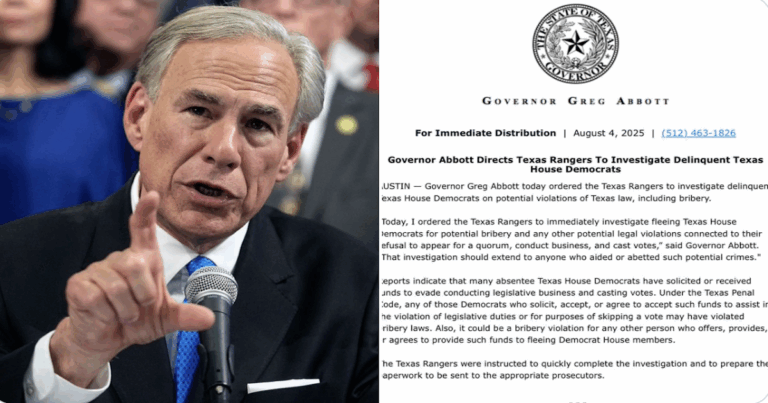
ARREST THEM! Abbott Unleashes Texas Rangers on AWOL House Dems

Key Takeaways:

  • Abbott Orders Arrest of Missing Democrats: Governor Abbott instructed the Texas Department of Public Safety to arrest and return Democrat lawmakers who fled the state to block GOP redistricting efforts.
  • Investigation into Potential Bribery Launched: Abbott directed the Texas Rangers to investigate whether Democrats received improper donations to offset $500-per-day fines for skipping out on legislative duties.
  • Critical Legislation Held Hostage: Abbott and House leadership blasted Democrats for stalling bills on flood relief and property tax cuts, calling their actions a dereliction of duty to Texas voters.

Governor Greg Abbott isn’t playing games. On Monday, the Texas Republican ordered the arrest of Democrat lawmakers who fled the state to block a GOP-backed redistricting plan that could hand Republicans five new congressional seats. And if that wasn’t enough, he’s unleashing the Texas Rangers to investigate whether these political runaways are also pocketing potentially illegal donations to dodge accountability.

“Texas House Democrats abandoned their duty to Texans,” Abbott said. “By fleeing the state, [they] are holding hostage critical legislation to aid flood victims and advance property tax relief. There are consequences for dereliction of duty.”

Those consequences? Arrest. Abbott ordered the Texas Department of Public Safety to locate, detain, and return every AWOL Democrat back to the Capitol. Speaker Dustin Burrows also issued formal warrants to compel attendance and restart the legislative process.

Abbott’s not stopping there. He’s also ordered a full investigation into whether Democrats—or their donors—are engaged in bribery by funding the $500 daily fines these lawmakers are racking up. “That investigation should extend to anyone who aided or abetted such potential crimes,” Abbott warned.

This isn’t about partisan games. It’s about public service and rule of law. While Democrats hop flights and dodge votes, Abbott is standing firm—for property tax relief, disaster aid, and election integrity. Texas doesn’t run from tough fights. It arrests those who do.

Made in America: Reshoring Boom Brings MILLIONS of Jobs Back Home

0

Key Takeaways:

  • Texas Dominates the Reshoring Boom: With over 40,000 new manufacturing jobs, Texas leads the nation in reshored employment—thanks to massive investments from companies like Samsung and Tesla.
  • Red States Reap the Rewards: Business-friendly states like South Carolina, Mississippi, and New Mexico are outperforming blue-state counterparts by attracting tens of thousands of jobs through pro-growth policies.
  • High-Tech and Transportation Fuel Growth: The reshoring surge is led by industries like electronics, transportation, and electrical equipment—signaling a strong shift toward rebuilding America’s industrial strength and reducing dependence on foreign supply chains.

America’s manufacturing comeback is in full swing—and this time, it’s red, white, and re-shored. As companies ditch overseas dependency and bring jobs back home, more than 2.3 million manufacturing positions are expected to land on U.S. soil by the end of 2025. But make no mistake: this wave of economic patriotism isn’t splashing evenly across all 50 states.

Texas is running the table, hauling in over 40,200 re-shored jobs—a jaw-dropping 23% of the national total. With mega-deals from Samsung ($65B) and Tesla ($5.5B), plus infrastructure investments topping $4.9B, the Lone Star State is cementing itself as the crown jewel of American industrial revival.

Not far behind are South Carolina (24,800 jobs), Mississippi (12,100), and New Mexico (9,800)—proving that states with low taxes, business-friendly leadership, and right-to-work laws are reaping the rewards.

It’s no surprise the biggest booms are coming from computer and electronics, transportation, and electrical equipment—industries long strangled by foreign reliance. Walmart, Apple, and GE Aerospace are just a few of the heavyweights reshaping the landscape.

Bottom line? While Washington debates ESG nonsense and hands out subsidies like candy, the real story is happening in states that earned it—by putting freedom, innovation, and entrepreneurship first. The reshoring renaissance is real, and smart investors—and smart states—are capitalizing. The rest? They’re watching from the sidelines.

New Numbers, New Faces: Trump to Appoint Fed Governor and Jobs Chief

Key Takeaways:

  • Trump to Announce Key Economic Appointments: President Trump said he will soon appoint a new Federal Reserve governor and a new Bureau of Labor Statistics chief—two critical roles shaping U.S. economic policy.
  • Transparency Over Tradition: The moves follow Trump’s firing of BLS chief Erika McEntarfer after major job data revisions, signaling his push for honest, reliable economic reporting.
  • Institutions Are Not Above Accountability: While critics claim Trump is politicizing traditionally “independent” agencies, the administration argues that demanding accuracy and reform isn’t political—it’s leadership.

President Donald Trump is doubling down on his America First economic strategy, announcing Sunday that he’ll soon name a new Federal Reserve governor and a new Bureau of Labor Statistics (BLS) chief. The two appointments are expected to play key roles in shaping the next phase of his pro-growth, pro-jobs agenda.

Speaking to reporters on his return from Bedminster, Trump brushed aside hand-wringing over his recent firing of BLS Commissioner Erika McEntarfer. Critics claim the move “politicized” the data after major downward revisions revealed inflated jobs numbers just before the 2024 election. But Trump isn’t apologizing for demanding accountability.

“When the Fed misses the mark or when job data looks more like campaign spin than economic reality, leadership has to change,” a senior administration official said.

Trump’s critics are clutching pearls over his “attacks” on the Fed and labor statistics agencies—but in Trump’s America, no institution is above scrutiny, especially when livelihoods are on the line. Free markets require honest numbers, not politically convenient ones.

The message is clear: under Trump, economic stewardship doesn’t mean rubber-stamping bad data. It means fixing what’s broken—and replacing who’s broken it. Expect appointments that favor transparency, growth, and, yes, a little disruption.

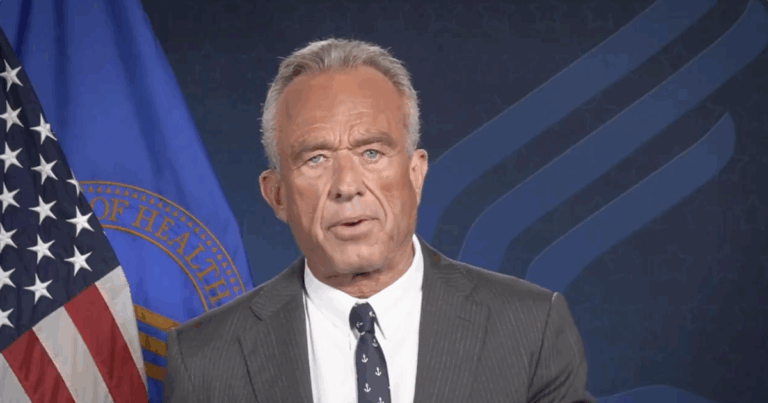
RFK Jr. Cleans House, Bans Controversial Vaccine Ingredient

It’s official: U.S. Health and Human Services Secretary Robert F. Kennedy Jr. has banned thimerosal—a mercury-based preservative—from all vaccines distributed in the United States. While the pharmaceutical establishment is having a meltdown, freedom-minded Americans are applauding the move as long overdue.

“After more than two decades of delay, this action fulfills a long-overdue promise to protect our most vulnerable populations from unnecessary mercury exposure,” Kennedy said in a statement. That’s not fearmongering—it’s common sense.

Thimerosal, a compound based on ethylmercury, has been used in vaccines since the 1930s to prevent contamination in multi-dose vials. While it’s long been defended as “safe” by the CDC, FDA, and WHO – parents, physicians, and researchers have raised red flags for years—particularly regarding its use in flu shots and potential neurological risks.

Kennedy didn’t just recommend change—he made it. After cleaning house at the CDC’s Advisory Committee on Immunization Practices (ACIP), RFK Jr. installed experts not owned by Big Pharma. The new panel voted 5-1 to eliminate thimerosal, with even vaccine makers Sanofi and CSL Seqirus confirming they can meet demand with preservative-free options.

Critics call it “controversial.” We call it leadership.

In a post-COVID world, Americans are demanding transparency, accountability, and medical freedom—not blind obedience to the same institutions that pushed rushed mandates and experimental shots. Kennedy and Trump are reshaping public health—and putting power back where it belongs: with the people.

Fast Fashion Just Got Slower: Trump Ends De Minimis Loophole

Key Takeaways:

  • Trump Ends $800 Duty-Free Loophole: An executive order signed by President Trump will end the de minimis exemption for imports under $800, effective August 29. Low-value goods entering the U.S. will now face full customs duties.
  • Shein and Temu in the Crosshairs: Chinese fast-fashion retailers Shein and Temu—responsible for over 30% of daily de minimis shipments—will be hit hardest, potentially raising prices for U.S. consumers.
  • U.S. Reclaims Economic Ground: The loophole allowed Chinese e-commerce to bypass tariffs and undercut American businesses. Trump’s move levels the playing field and sends a clear message: America’s market is not for manipulation.

President Trump just slammed the door on a decades-old trade loophole that let foreign companies ship cheap goods into the U.S. duty-free—hurting American manufacturers and rewarding bad actors like China. On July 30, Trump signed an executive order ending the de minimis exemption for low-value goods. Starting August 29, packages under $800 will no longer skate through U.S. customs without paying “all applicable duties,” the White House confirmed.

This change hits companies like Shein and Temu hardest—two Chinese e-commerce giants flooding American doorsteps with ultra-cheap clothing, furniture, and more. According to Reuters, over 30% of all de minimis shipments come from just those two companies.

For years, China exploited a 1930s-era trade rule designed for small, occasional imports—not for mass-volume operations built to dodge U.S. tariffs. From 2018 to 2023, Chinese low-value shipments ballooned from $5.3 billion to $66 billion.

Sen. Jim Banks (R-IN) applauded the move: “For too long, countries like China have flooded our markets with duty-free, cheap imports.”

Yes, prices may rise—but that’s the cost of economic sovereignty. America shouldn’t be subsidizing Beijing’s supply chain while our own manufacturers get buried. Trump’s move sends a loud message: the U.S. market is open for business—not for exploitation.

Big Revisions, Bigger Problems: Hassett Calls Out BLS Job Reporting

Key Takeaways:

  • National Economic Council Director Kevin Hassett backed Trump’s decision to fire the BLS Commissioner over major job data revisions, calling them the largest in 50 years.
  • Hassett raised concerns about “partisan patterns” in the timing of revisions, particularly those that flattered Biden’s record before being quietly corrected.
  • Despite economic growth and strong GDP numbers, Hassett argued the BLS data has become too unreliable to trust, and a leadership change is needed to restore credibility.

The numbers don’t lie—unless they do. That’s the concern National Economic Council Director Kevin Hassett raised on Fox News Sunday as he defended President Trump’s firing of Bureau of Labor Statistics (BLS) Commissioner Erika McEntarfer. The reason? A disturbing trend of politically convenient “mistakes” in the nation’s job data.

Citing a record-breaking revision that quietly slashed 818,000 jobs from Biden-era reports, Hassett called it “the biggest data revision in 50 years.” He added, “There was another massive revision… almost a million jobs down… but we didn’t get the downward revision until after Joe Biden had dropped out.”

Hassett didn’t mince words about the BLS’s black-box methods: “The data have become very unreliable… we need a fresh set of eyes at the BLS.” Despite McEntarfer’s bipartisan confirmation, Trump claimed she “faked the Jobs Numbers before the Election to try and boost Kamala’s chances of Victory.”

The numbers keep getting worse: July’s jobs report fell short, and May and June were revised down by a combined 258,000 jobs. Yet GDP grew at a strong 3.0% in Q2—proof, Hassett argued, that Trump’s economic fundamentals remain strong.

Bottom line: when job data starts looking more like campaign strategy than economic reality, it’s time to clean house.